Collective Fan Initiatives Synchronize Viewing Access for Worldwide Competitions
Written by Felix Butler · Jul 8, 2026
Collective Fan Initiatives Synchronize Viewing Access for Worldwide Competitions
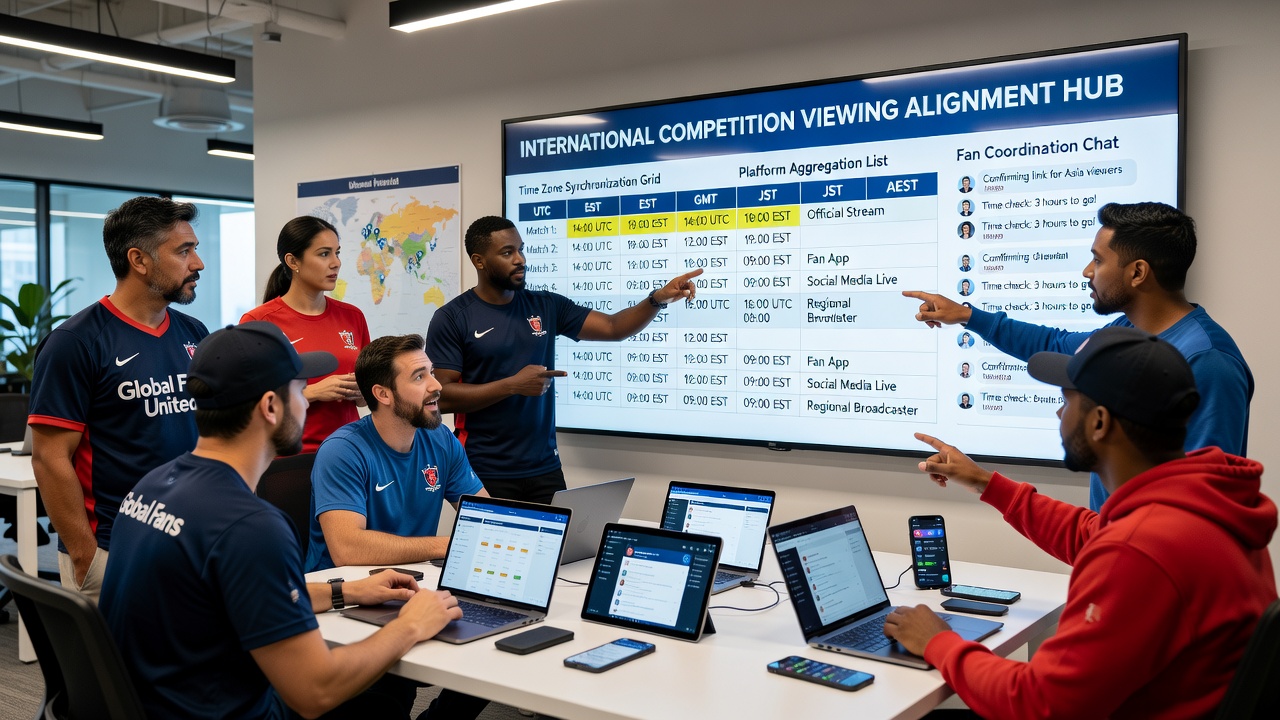
Fans in different countries have formed networks to align broadcast schedules and streaming platforms for major international competitions that cross time zones. These efforts rely on shared digital tools and community coordination to track live matches, replays, and highlights when official listings change or regional restrictions apply.
During events such as the FIFA World Cup 2026, which runs through July 2026, supporters in Europe, Asia, and the Americas have compiled joint calendars that list start times adjusted for local zones. Data from sports media tracking services show increased activity in these networks around tournament periods, with users exchanging platform availability details through moderated forums and messaging apps.
Building Shared Schedules Across Regions
Supporters create master lists that combine fixture announcements from multiple leagues and governing bodies. One common approach involves volunteers who monitor official releases from organizations such as the International Olympic Committee and update group documents in real time. These documents include time conversions, platform requirements, and notes on regional blackouts that affect access.
Researchers at universities in Canada and Australia have documented how these lists reduce duplicate searches. Their studies indicate that coordinated spreadsheets and calendar feeds allow users to identify overlapping events earlier, which helps when basketball tournaments and soccer matches occur on the same day.
Platform Coordination and Alternative Routes
Many groups focus on mapping available services including satellite providers, national broadcasters, and subscription platforms that carry international rights. When primary channels alter lineups mid-tournament, participants share verified links to replays hosted on services licensed in other territories.
Industry reports from the European Broadcasting Union describe similar patterns during continental championships, where fans cross-reference availability between public service channels and commercial streamers. Observers note that these exchanges often occur in closed groups to stay within platform terms while respecting regional licensing agreements.
Time Zone Adjustments and Notification Systems
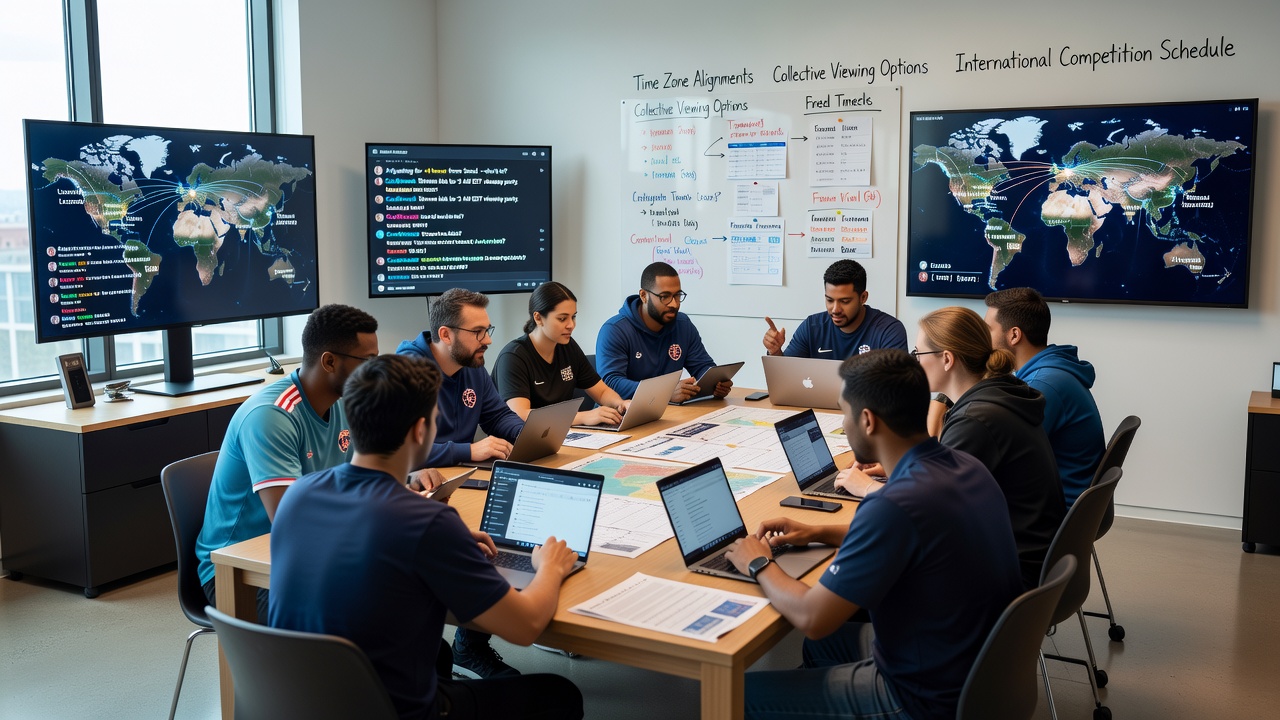
Automated scripts and community bots send alerts when start times shift due to weather, venue changes, or broadcast decisions. These systems pull from multiple sources and convert times into user-selected zones before distributing updates through email lists or dedicated channels.
Figures from media consumption studies released by Australian communications regulators reveal that participants in such networks report fewer missed segments compared with individual viewers who rely on single-source schedules. The same data shows growth in these systems during periods when events span more than eight time zones.
Examples from Recent Tournaments
During the 2024 Copa América and concurrent European basketball events, several online collectives maintained parallel archives of match replays. Volunteers tagged entries by region and language so members could locate content that matched their viewing windows without repeated searches.
Similar activity appeared ahead of qualifying rounds for the 2026 World Cup, where groups compiled lists of free-to-air options in South America alongside paid services in North America and Asia. These lists often included notes on subtitle availability and audio language tracks.
Challenges and Adjustments
Network administrators enforce rules against unauthorized streams to remain compliant with copyright laws. Participants instead concentrate on public domain replays, official highlights, and legal on-demand libraries that different countries release at staggered times.
Academic papers from European research institutions have tracked how these restrictions influence group strategies, leading to increased focus on schedule synchronization rather than content redistribution.
Conclusion
Collective fan efforts continue to evolve as new platforms enter the market and tournament calendars grow more crowded. The documented patterns show consistent use of shared documents, time conversion tools, and moderated alerts to maintain access across continents. These activities remain centered on public information and licensed services while adapting to changes announced by broadcasters and governing bodies.