Digital crossroads: How supporters blend football match calendars with basketball streaming options using integrated news alerts
Written by Avery Butler · Jun 26, 2026
Digital crossroads: How supporters blend football match calendars with basketball streaming options using integrated news alerts
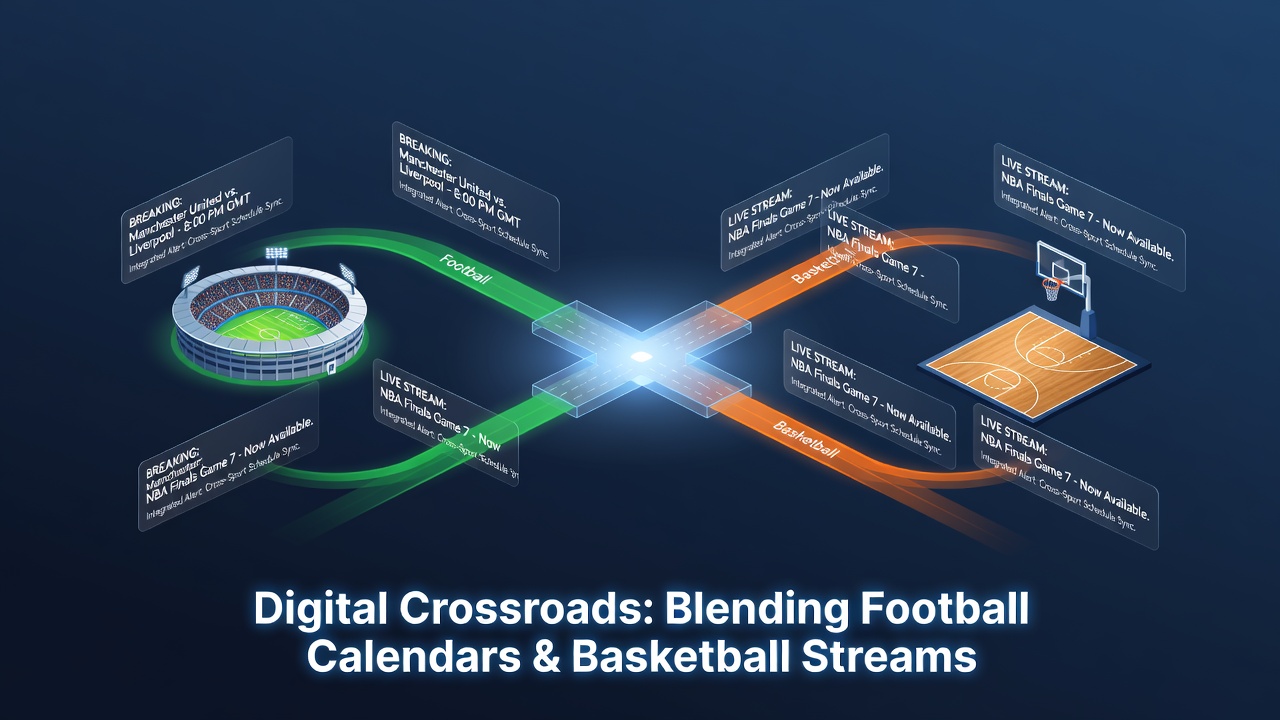
Supporters navigate overlapping schedules where football fixtures intersect with basketball tip-offs through coordinated calendars and real-time notifications that pull data from multiple leagues, and these systems draw from official broadcast rights holders alongside third-party aggregators to deliver unified timelines across time zones. In June 2026 the FIFA World Cup co-hosted by Canada, Mexico, and the United States will generate dense clusters of matches that frequently collide with NBA playoff extensions or European domestic basketball seasons, prompting developers to refine alert protocols that flag potential overlaps hours or days ahead.
Calendar integration mechanics
Digital platforms compile fixture lists from governing bodies such as UEFA, CONMEBOL, FIBA, and the NBA, then merge them into single-view interfaces where users toggle between leagues without switching applications. Algorithms sort events by start time and broadcast availability, which allows supporters to mark priority matches while the system automatically suggests basketball streams that begin within a narrow window of a football conclusion. Data from the International Telecommunication Union shows rising mobile penetration in emerging markets has accelerated adoption of these merged calendars, because fans in regions with variable network quality benefit from pre-loaded schedules that function offline until alerts refresh upon reconnection.
News alert systems in practice
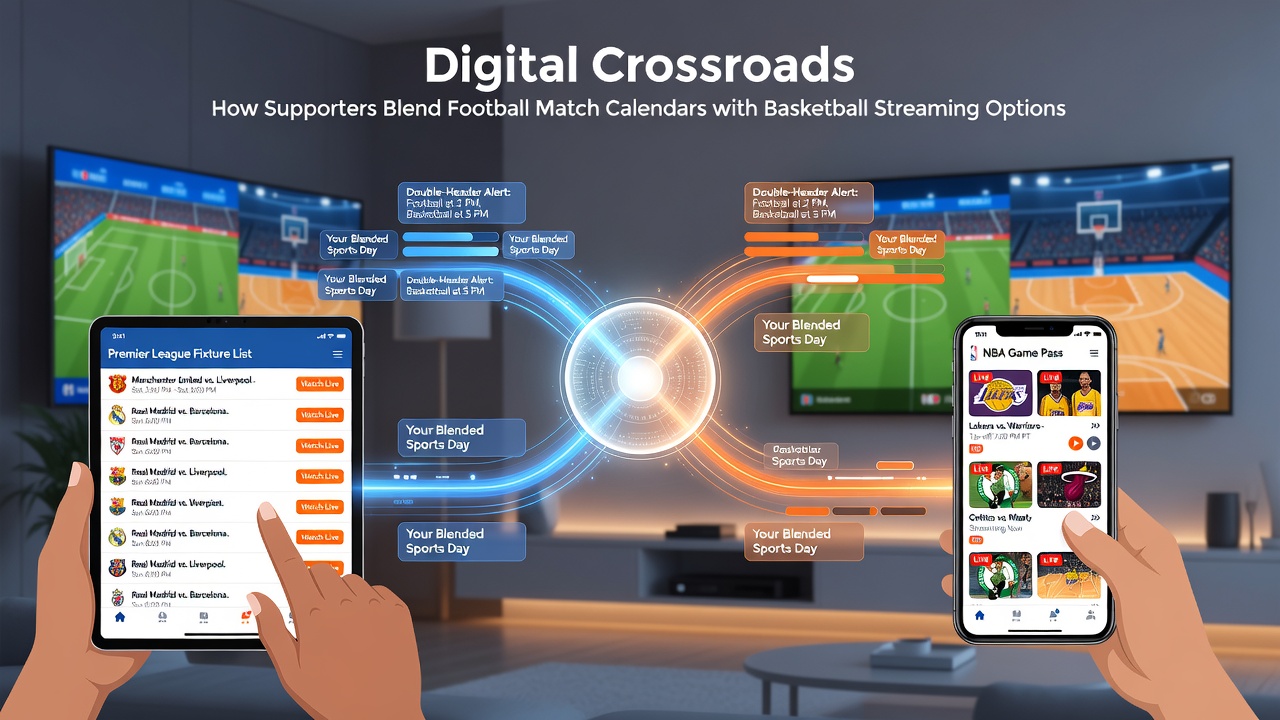
Integrated notifications combine push technology with customizable filters so that a supporter following Manchester United can receive a kickoff reminder at the same moment an alert arrives for a concurrent EuroLeague basketball contest. These alerts source information directly from league APIs and partner media outlets, which reduces latency compared with manual social media monitoring. Observers note that services often layer in venue-specific details such as weather delays or last-minute lineup changes, and the same infrastructure supports multi-device syncing so that a notification dismissed on a phone does not reappear on a tablet.
Regional regulatory influences on access
Broadcast windows remain subject to territorial restrictions enforced by rights holders, yet cross-border streaming options have expanded through services licensed under frameworks established by bodies including the Australian Communications and Media Authority and the Canadian Radio-television and Telecommunications Commission. These frameworks require clear disclosure of blackout periods, which integrated alert systems now incorporate so users receive advance notice when a preferred feed becomes unavailable. In parallel, the European Union's Audiovisual Media Services Directive continues to shape how platforms handle simultaneous live events, prompting developers to build fallback links that activate automatically when primary streams encounter regional blocks.
Viewer pathway examples
One documented case from the 2025-26 season involved supporters in South America who combined CONMEBOL Libertadores football schedules with NBA regular-season basketball through a single aggregator app; the system issued sequential alerts that guided viewers from an afternoon football match to an evening basketball doubleheader without requiring separate logins. Researchers at the University of Sydney documented similar patterns during overlapping Asian Basketball League and AFC Champions League fixtures, finding that users who enabled location-aware alerts experienced fewer missed starts than those relying on static printed schedules. Platforms have since added predictive elements that estimate stream load times based on historical congestion data, which helps supporters decide whether to begin pre-buffering during a football halftime interval.
Technical synchronization features
Modern aggregation tools employ standardized time-zone conversion and daylight-saving adjustments drawn from the IANA database, ensuring that a fixture listed as 20:00 BST converts correctly for users in Pacific or East Asian regions. When primary channels alter their lineup mid-season, the alert layer scans for alternative authorized streams and updates notifications accordingly, a process verified through partnerships with rights holders. This adaptability proves especially useful during condensed tournament windows such as those anticipated around the June 2026 World Cup group stage, when multiple daily football matches will run alongside lingering basketball commitments in several continents.
Conclusion
Integrated news alerts and merged calendars now form the core infrastructure that enables supporters to track football and basketball events without fragmentation across disparate sources. As June 2026 approaches, these systems will face their most rigorous test yet amid dense fixture congestion, yet the underlying data pipelines and regulatory compliance mechanisms already in place provide the foundation for continued refinement.