Examining Viewer Strategies for Managing Multiple Athletic Event Notifications in Crowded Digital Environments
Written by Noah Foster · Aug 23, 2026
Examining Viewer Strategies for Managing Multiple Athletic Event Notifications in Crowded Digital Environments
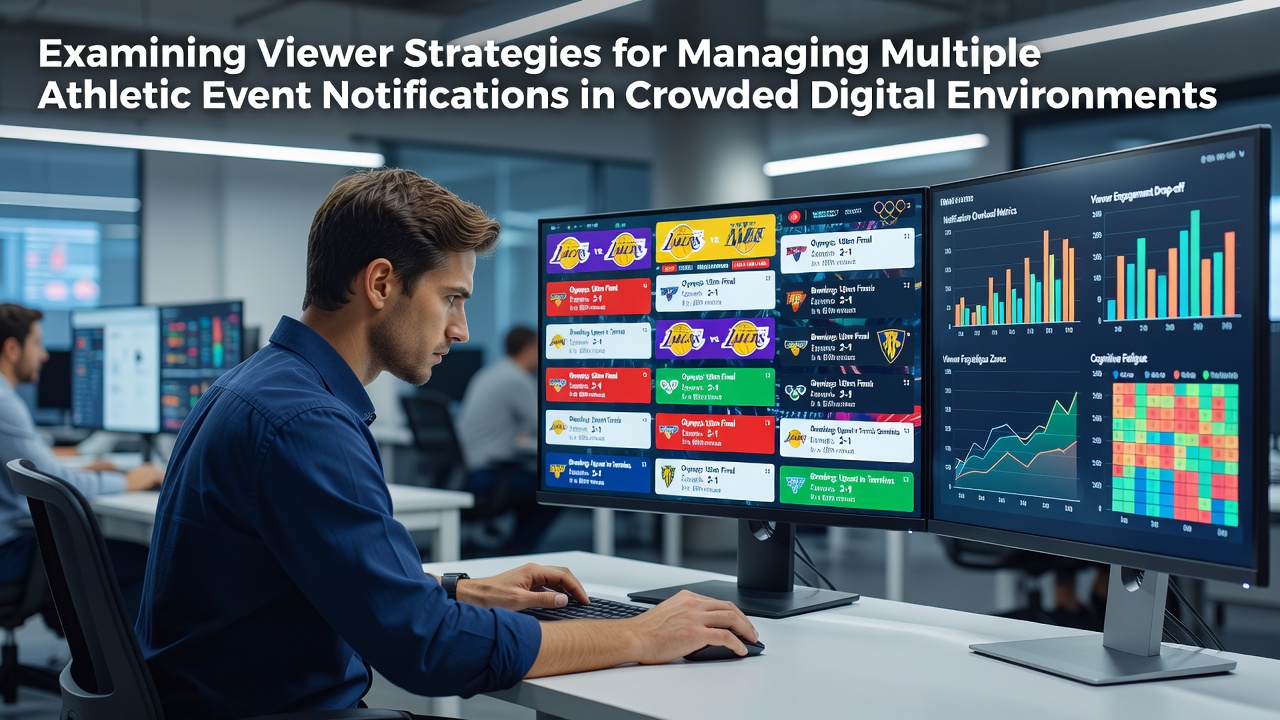
Digital platforms deliver constant streams of athletic event notifications that compete for attention across soccer fixtures, basketball tip-offs, and other competitions, and viewers respond by adopting structured approaches to filter and prioritize these alerts. Data from media consumption studies indicate that individuals encounter dozens of pings daily during peak seasons, which prompts the development of customized settings within apps and device operating systems. Researchers at various institutions have documented how users combine built-in tools with external managers to reduce overload while preserving access to timely updates on matches and tournaments.
Notification Overload in Multi-Sport Ecosystems
Platforms aggregate alerts from international leagues and domestic competitions into unified feeds, yet this consolidation creates dense notification centers that require active management. Viewers often sort alerts by sport type, start time, and relevance to personal schedules, which allows them to isolate soccer kickoffs from basketball doubleheaders during overlapping periods such as those projected for August 2026. Studies reveal that default settings on many services push every event update, leading people to adjust categories manually or apply keyword exclusions for unwanted leagues and teams.
Device-Level Controls and App Customizations
Operating systems provide layered controls that separate urgent game alerts from promotional content, and users activate focus modes or do-not-disturb exceptions tied to specific sports applications. These configurations permit notifications from priority sources while silencing others, which maintains awareness without constant interruption. Observers note that third-party aggregation tools further refine this process by pulling data from multiple platforms into single dashboards where filters can be applied across accounts. Evidence from industry reports shows increased adoption of such tools as notification volumes rise with expanded streaming options.
Prioritization Frameworks Used by Viewers
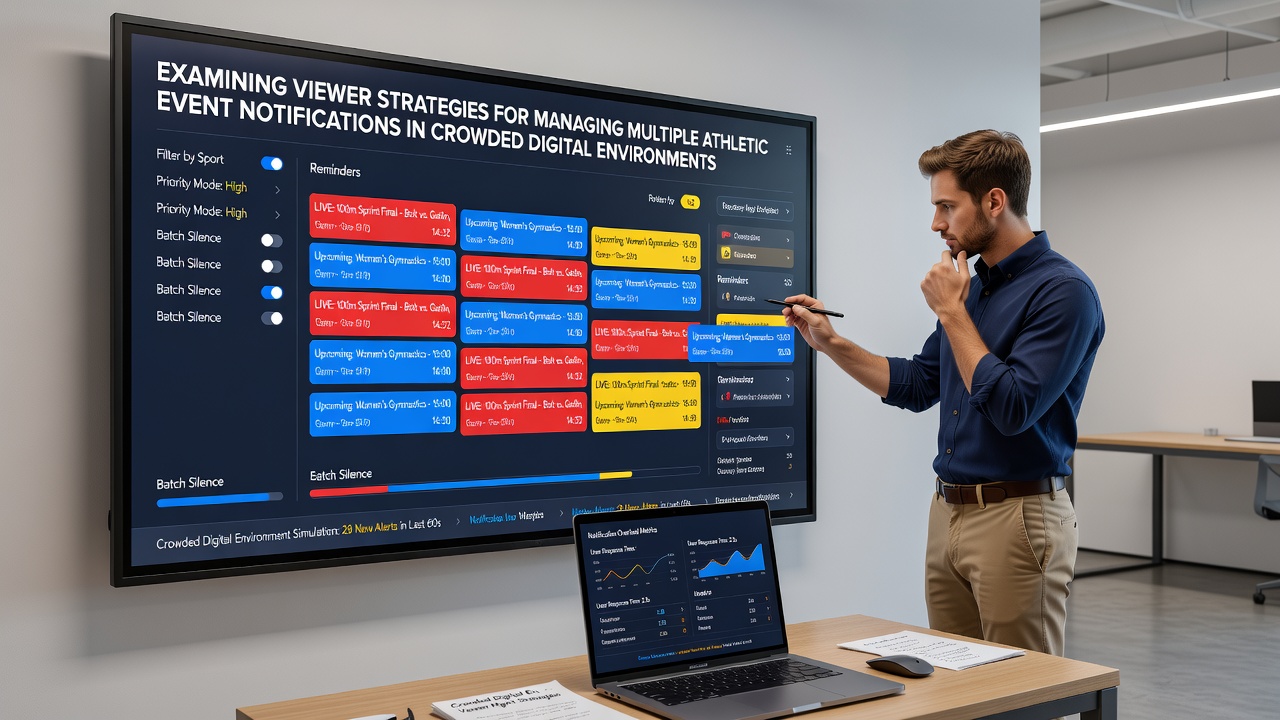
People establish rules based on event importance, time zone differences, and personal availability, assigning higher ranks to live games and lower ranks to replays or highlights. Calendar integrations link athletic schedules directly to notification triggers, so alerts surface only when they align with free time slots. Research indicates that those managing multiple interests frequently employ color-coded systems or folder groupings within email and messaging apps to categorize updates from soccer federations alongside basketball associations. This method supports quick scanning without full engagement until a selected event begins.
Platform Features and Emerging Tools
Streaming services and league apps introduce granular toggles for event types, team preferences, and delivery channels that include push, email, or in-app banners. Viewers combine these native options with external services that consolidate alerts across providers, creating unified inboxes subject to advanced search and mute functions. Data compiled by research organizations such as Pew Research Center highlight how digital media habits evolve around such features, particularly as global audiences track events across continents. In regions governed by digital services regulations from bodies like the European Commission, platforms must offer clearer consent mechanisms for notification subscriptions, which influences how users initially configure their preferences.
Behavioral Patterns Across Regions
Analyses of user activity demonstrate that viewers in high-density media markets adjust strategies seasonally, ramping up filters during months with concurrent tournaments and relaxing them during quieter periods. Australian Communications and Media Authority publications note similar patterns in local data consumption, where geographic time shifts compound notification challenges for fans following overseas competitions. Individuals often test combinations of settings during pre-season windows, refining approaches based on how well alerts match actual viewing windows rather than raw volume.
Conclusion
Viewer strategies for handling athletic notifications continue to adapt alongside platform developments and regulatory frameworks, relying on layered customizations that balance information access with attention management. These approaches draw from device capabilities, third-party solutions, and personal prioritization rules that collectively address the density of alerts in contemporary digital environments. Continued documentation by academic and industry sources will track how such methods shift in response to new features and expanded event calendars.