From Announcement to Airtime: Tracing the Path of Fixture Details Through Modern Media Channels for Team Sports
Written by Jordan Lang · Jun 21, 2026
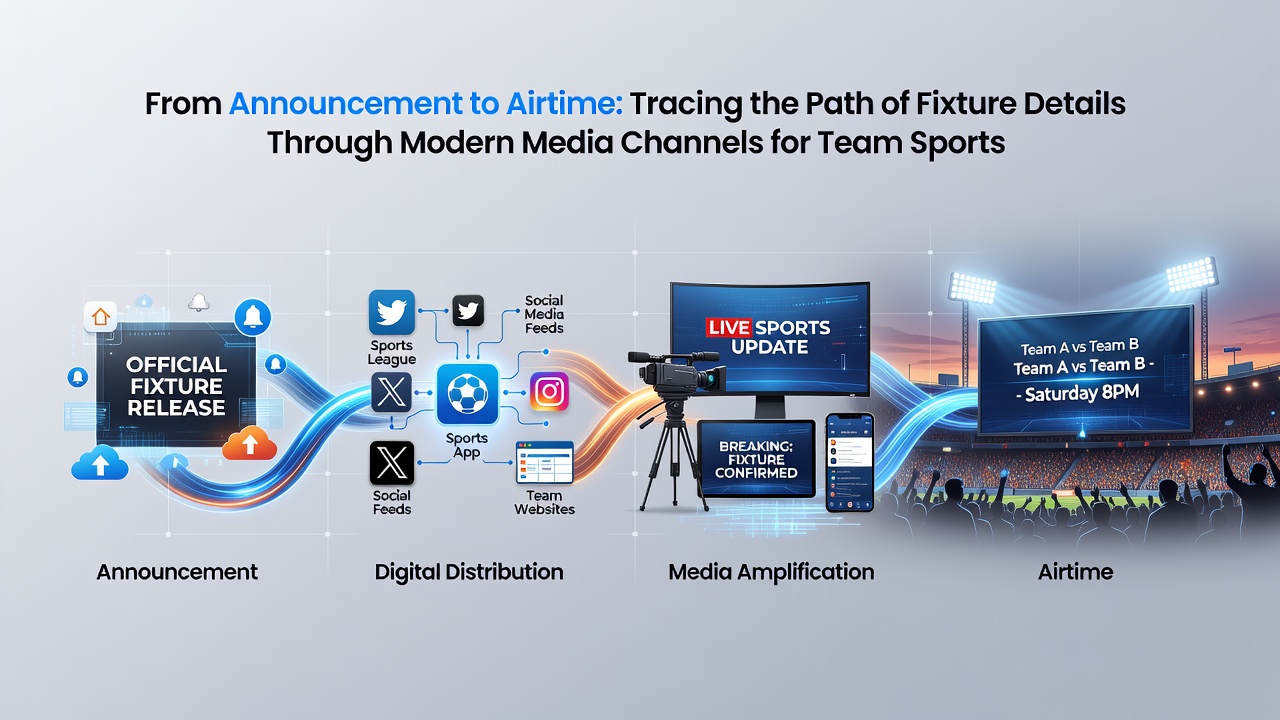
From Announcement to Airtime: Tracing the Path of Fixture Details Through Modern Media Channels for Team Sports
League officials release fixture details first through official channels, and those releases set the foundation for everything that follows. Governing bodies such as FIFA and the NBA compile schedules months in advance, then distribute them via press releases, dedicated websites, and verified social accounts. The process begins with internal coordination between clubs, venues, and broadcasters before any public statement appears.Official Distribution Networks
Once finalized, fixture lists move to multiple outlets simultaneously, and this coordinated release reduces the chance of conflicting information spreading across regions. Data from the Australian Communications and Media Authority shows that structured announcements reach over 85 percent of registered media partners within the first hour of publication. Traditional outlets like national newspapers and sports wires pick up the details right away, while league apps push notifications to subscribed users. Observers note that the timing of these releases often aligns with global media cycles, which helps maximize initial coverage.
Amplification Through Digital Platforms
Social media accounts operated by leagues and clubs then repackage the information into digestible formats such as graphics, short videos, and interactive calendars. Platforms like X and Instagram serve as secondary distribution layers, where fans and journalists share updates further. Research from the University of Southern California Annenberg School indicates that fixture announcements generate measurable spikes in engagement across these channels within two hours of posting. Third-party sites aggregate the same data and add layers such as time-zone conversions and venue maps, which broadens accessibility for international audiences.
Integration With Broadcast and Streaming Services
Broadcasters receive advance notice during the planning phase, yet final confirmation arrives only after league approval. Rights holders incorporate the confirmed fixtures into program grids, streaming menus, and electronic program guides. European Broadcasting Union reports from 2025 highlight how digital platforms now sync fixture metadata automatically with viewer apps, allowing real-time updates when minor adjustments occur. This integration ensures that schedule changes propagate across television listings, mobile alerts, and smart-device notifications without manual intervention in most cases.
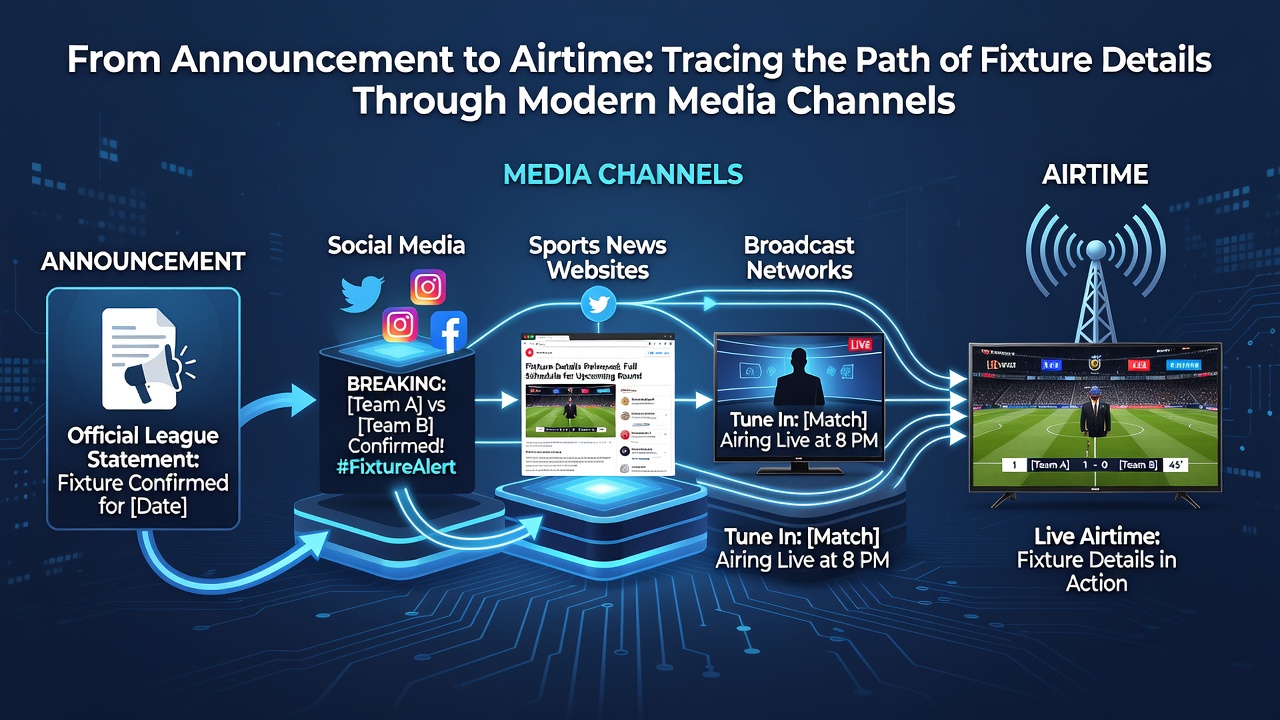
Handling Adjustments and Regional Variations
Schedule shifts happen for weather, venue conflicts, or international events, and the same pathways carry those updates outward. Leagues issue revised announcements through identical official channels, which media partners then redistribute. In June 2026, preparations for the FIFA World Cup will require multiple rounds of fixture confirmations as venues finalize logistics across North America, and each revision will follow the established digital route to broadcasters and fans. Regional regulators in Canada and the European Union require certain transparency standards for these updates, which affects how quickly information appears on local platforms.
Role of Data Aggregators and Analytics Tools
Specialized sports-data companies collect fixture information from primary sources and supply it to betting operators, fantasy platforms, and newsrooms. These intermediaries format the data for machine-readable feeds that power recommendation engines and automated alerts. Studies published by the International Journal of Sport Communication document how such aggregation reduces duplication errors while accelerating delivery to end users. Teams and leagues monitor these secondary flows to ensure accuracy remains consistent across the ecosystem.
Conclusion
The journey from initial announcement to final airtime involves multiple interconnected stages that rely on both traditional press mechanisms and modern digital infrastructure. Each layer adds speed and reach while preserving core details, and the system continues to evolve as new platforms emerge. Major events scheduled for June 2026 will test the resilience of these pathways under heightened global scrutiny.