How Supporters Build Personal Networks to Track Conflicting Athletic Timetables Across Multiple Leagues
Written by Felix Butler · Jun 14, 2026
How Supporters Build Personal Networks to Track Conflicting Athletic Timetables Across Multiple Leagues
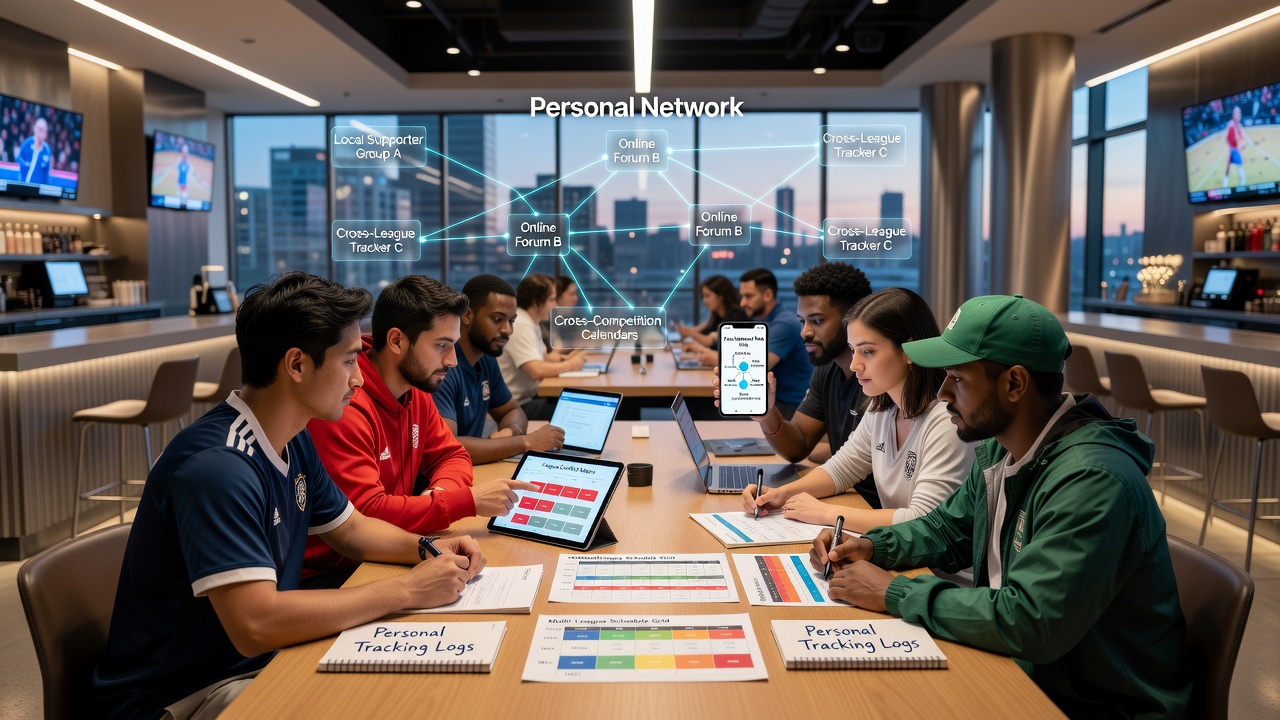
Supporters across various sports establish informal networks that compile and distribute schedule details when official sources leave gaps in coverage for overlapping fixtures. These groups often form through repeated interactions on messaging platforms and private forums where participants exchange updates about start times for soccer matches, basketball games, and other events that clash across domestic and international calendars.
Origins of Network Formation
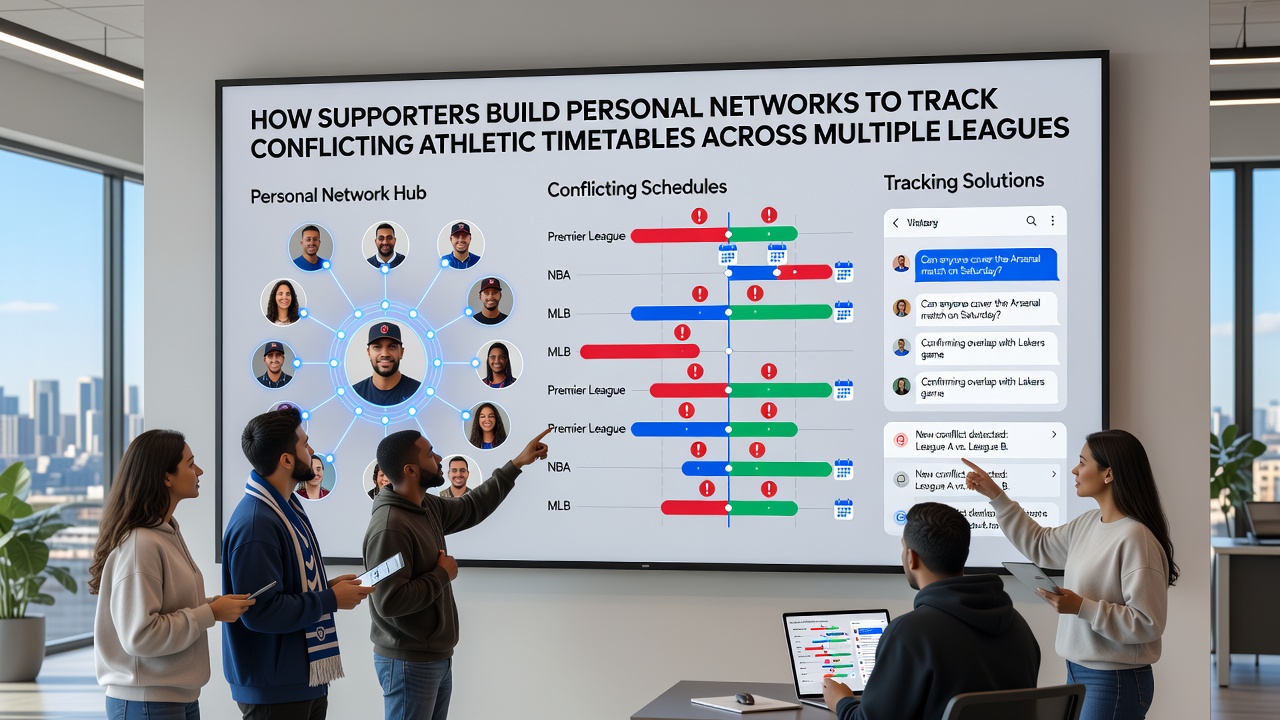
Individuals who follow multiple leagues notice timetable conflicts early in a season, then reach out to others facing similar issues through existing social connections or public discussion threads. Over time, these contacts evolve into structured circles that assign roles such as schedule monitors or update coordinators, allowing the group to cover more leagues without duplication of effort.
One common pattern involves supporters who track European soccer alongside North American basketball creating shared spreadsheets that list kickoff times next to tip-off windows. Participants verify entries against primary league announcements and flag discrepancies for collective review before distributing revised versions to the wider circle.
Methods for Information Exchange
Network members rely on encrypted group chats and collaborative documents to circulate changes announced by governing bodies at short notice. Data from the International Olympic Committee indicates that international tournament schedules receive adjustments in up to 18 percent of cases during preparation phases, prompting fans to maintain backup verification steps within their circles.
Those who participate in such networks often designate regional leads responsible for specific time zones, ensuring that late-night announcements from Asian basketball leagues reach European soccer followers before dawn. This division of labor reduces individual workload while increasing overall accuracy of the compiled timetables.
Role of June 2026 Scheduling Pressures
Preparations for the 2026 FIFA World Cup, which begins in June, introduce additional layers of complexity because participating national teams must balance club obligations in ongoing leagues. Supporters in affected networks cross-reference club calendars with national team windows to anticipate travel disruptions and broadcast shifts that affect viewing access.
Groups in Australia and Canada have documented instances where overlapping basketball tournaments in June coincide with World Cup qualifiers, leading participants to create color-coded priority lists that highlight must-track events first. These lists circulate among trusted contacts who then confirm venue details and potential postponements through direct league contacts when possible.
Expansion Through Trusted Referrals
New members typically join after existing participants vouch for their reliability in handling sensitive schedule data without public leaks. This referral system maintains group cohesion and limits exposure to inaccurate or outdated information that can spread through open forums. Research published by the University of Queensland's sports management department shows that closed networks achieve higher consistency rates in timetable tracking compared to public aggregator sites.
Participants also incorporate seasonal adjustments, such as daylight saving transitions in the northern and southern hemispheres, by assigning members to test converted times against actual event start logs. The resulting corrections feed back into the shared resources for the entire network to adopt.
Integration With Broader Community Resources
Some networks link to academic or regulatory publications that analyze fixture congestion trends, including reports from the European Club Association that detail how multiple competitions affect player availability. Members extract relevant statistics to predict future conflict periods rather than reacting after announcements occur.
Yet the core function remains direct exchange among supporters who prioritize speed and verification over official channels alone. As leagues continue to expand international calendars, these personal systems fill gaps that centralized platforms have not fully addressed.
Conclusion
Personal networks built by supporters demonstrate consistent patterns of role assignment, verification protocols, and geographic specialization that sustain timetable tracking across conflicting athletic events. These structures adapt to seasonal pressures such as the June 2026 World Cup period by refining information flows and maintaining accuracy through collective oversight.