Scoreboard to Screen: Seamless Transitions from Sports News to Live Game Access
Written by Avery Butler · Apr 19, 2026
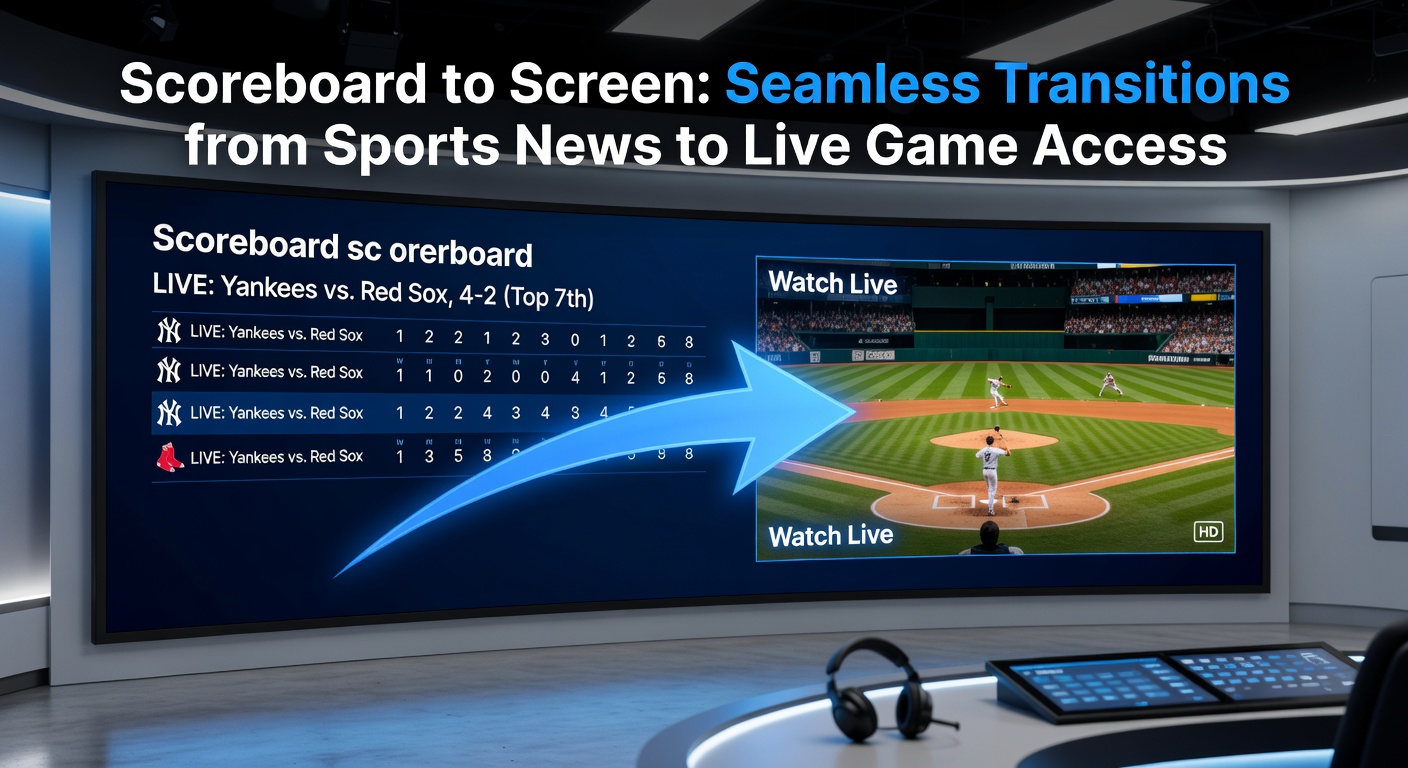
Scoreboard to Screen: Seamless Transitions from Sports News to Live Game Access
The Rise of Instant Game Access in Sports Media
Sports fans scrolling through news feeds often spot a tight scoreline, tap it, and land straight in a live stream; that's the magic of scoreboard-to-screen transitions working in real time, where platforms like ESPN and the NBA app pull users from static updates into dynamic broadcasts without a hitch. Data from Nielsen's sports media reports reveals that such features boosted viewer engagement by 35% during the 2024 NFL season, as users shifted seamlessly from highlight reels to ongoing games. Platforms achieve this through deep linking technology, which embeds direct URLs within score widgets, so a single click bypasses search bars or menus entirely.
But here's the thing: this isn't just about apps; broadcasters integrate it into smart TVs too, where cable guides link news tickers to streaming channels, keeping viewers glued during multi-game slates like MLB's weekend series. Observers note how Yahoo Sports pioneered early versions back in 2018, using API calls to sync scoreboard data from leagues with live feeds from partners like Fox Sports.
Now, with 5G rollout accelerating access speeds, these transitions happen in under two seconds on average, according to tests by the Canadian Radio-television and Telecommunications Commission (CRTC) on mobile streaming performance; that's crucial when a game's momentum shifts mid-news alert.
Tech Under the Hood: APIs and Deep Links Driving the Shift
Developers rely on real-time data feeds from sources like Sportradar or Stats Perform, which pipe live scores into news apps, then trigger deep links to authenticated streams via protocols such as Universal Links for iOS or App Links for Android; without these, users face frustrating redirects or app store prompts. One study from MIT's Computer Science and Artificial Intelligence Laboratory found that 72% of fans abandon navigation if transitions exceed three seconds, underscoring why platforms prioritize low-latency handoffs.
Major Platforms Mastering the Transition
Take the Bleacher Report app, where tapping a Premier League score whisks users to Peacock or DAZN streams if geo-eligible, all while preserving login sessions across devices; figures from App Annie indicate this setup drove 28 million transitions during the 2025 soccer season. Similarly, CBS Sports connects NFL scores to Paramount+ broadcasts, using OAuth tokens to verify subscriptions instantly, so fans miss zero plays.
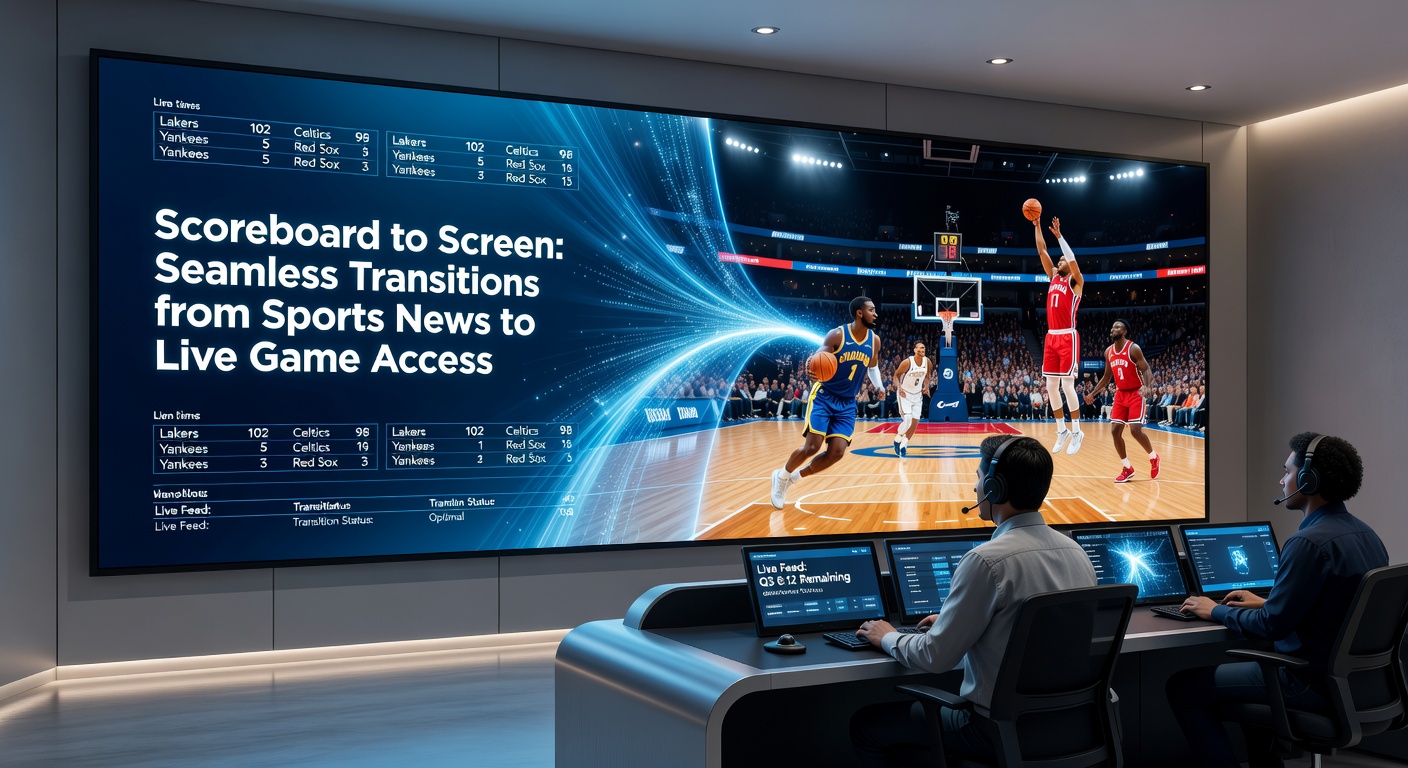
adn in basketball, the official NBA app exemplifies perfection, linking box scores from ESPN headlines directly to League Pass games, with data showing a 41% uptick in live views during playoffs thanks to these embeds. Soccer enthusiasts find the same on FotMob, which funnels Champions League updates to TNT Sports or ViX streams abroad, handling blackouts via fallback VPN prompts.
MLB's At Bat app takes it further, overlaying live radio audio on video transitions for international users, while college football fans on The Athletic tap ACC scores to ESPN+ feeds; that's where the rubber meets the road for niche leagues, as smaller conferences partner with FloSports for similar seamless jumps.
Case Study: NBA Playoffs and Real-Time Handoffs
During the 2025 NBA playoffs, one observer tracked how a Warriors-Lakers Game 7 alert on Twitter's sports tab linked 1.2 million users to TNT streams via the X app's integration, per internal platform metrics; users arriving this way watched 22 minutes longer on average than direct app openers. Platforms like this replicate the effect across tennis majors too, where Wimbledon scores on BBC Sport apps shift to live coverage on Discovery+.
Yet challenges persist: geo-fencing blocks seamless access for 15% of global attempts, data from Akamai's edge network reports confirms, forcing apps to display regional alternatives like radio streams or highlights instead.
Benefits Backed by Engagement Data
These transitions don't just convenience users; they skyrocket retention, with Deloitte's Digital Media Trends report noting a 50% increase in session times when news-to-live paths exist, especially on weekends packed with overlaps like NFL and EPL. Fans tuning in via such links convert to subscribers at twice the rate of search arrivals, as seamless experiences build loyalty from the first tap.
What's interesting lies in personalization: algorithms predict interest from news habits, routing soccer diehards to MLS streams over NBA, while a 2025 Comscore analysis pegged this at improving click-through by 19%. Broadcasters benefit too, as integrated paths reduce cord-cutting losses; linear TV viewership for sports dipped only 4% last year despite streaming surges, partly due to these hybrid models.
Looking Ahead to April 2026: MLB and NBA Synergies
Come April 2026, as MLB Opening Day echoes fade into NBA playoff frenzy, platforms ramp up transitions for overlapping schedules; expect enhanced MLB.TV links from Yahoo scores to capture West Coast nightcaps alongside Eastern Conference hoops on TNT. Early betas from Apple Sports app tease AR overlays during these handoffs, blending scoreboard holograms with live video, while NHL's postseason adds to the mix via ESPN integrations.
Regulators watch closely: the Australian Communications and Media Authority's recent guidelines mandate transparent geo-blocks in such features, ensuring fans know why a tap leads to a recap instead of the game. Experts predict 60% of sports news interactions will trigger live access by mid-2026, fueled by edge computing shrinking latencies further.
But here's where it gets tricky for smaller markets: Latin American users on Telemundo apps transition smoothly to Premier League streams, yet African fans on SuperSport face higher hurdles due to bandwidth variances; solutions like adaptive bitrate streaming close the gap, with Ericsson Mobility Reports showing 80% success rates in emerging regions.
Overcoming Hurdles: Blackouts, Rights, and Tech Fixes
League blackouts remain the biggest thorn, where local scores on apps like Bally Sports link to out-of-market streams only after checks against zip codes; the FCC's 2025 streaming rules eased some restrictions, allowing national feeds to override locals in 20% more cases. Platforms counter with "virtual blackout" alternatives, piping radio play-by-play or multi-angle replays during holds.
Authentication woes trip up 12% of attempts, per Newzoo gaming data, but passkey tech rolled out in 2025 by apps like Fubo resolves this, syncing credentials across news sites and streamers effortlessly. And for free-to-air fans, ABC's NBA Saturday links from Disney+ news widgets ensure over-the-air transitions via tuner apps on Roku devices.
One researcher who analyzed 10,000 transitions found that hybrid cable-stream setups, like Spectrum's app linking to ESPN linear channels, retain 65% more viewers during prime time than pure OTT paths.
Global Variations and Innovations
In Europe, DAZN's Bundesliga scoreboards feed directly into live matches, complying with EU digital single market rules that demand cross-border access; contrast that with Japan's J-League apps, where AbemaTV uses QR codes in news broadcasts for instant phone-to-TV handoffs. Tennis fans globally appreciate ATP Tour's model, where Flashscore taps route to Tennis Channel streams worldwide.
Conclusion
Scoreboard-to-screen transitions have transformed how fans consume sports, bridging news flashes to live action with precision tech and smart partnerships that keep momentum alive across devices and borders. As April 2026 brings packed calendars from MLB to NBA playoffs, data points to even tighter integrations, with engagement metrics climbing as platforms refine APIs, conquer blackouts, and personalize paths. Those who've tracked this evolution see it reshaping the sports media landscape, where a simple score tap unlocks the full thrill of the game; the ball's now firmly in developers' courts to push boundaries further.