The Silent Algorithms Powering Recommendation Engines that Match Enthusiasts with Fitting Contest Viewings Amid Crowded Media Landscapes
Written by Avery Butler · Jun 5, 2026
The Silent Algorithms Powering Recommendation Engines that Match Enthusiasts with Fitting Contest Viewings Amid Crowded Media Landscapes
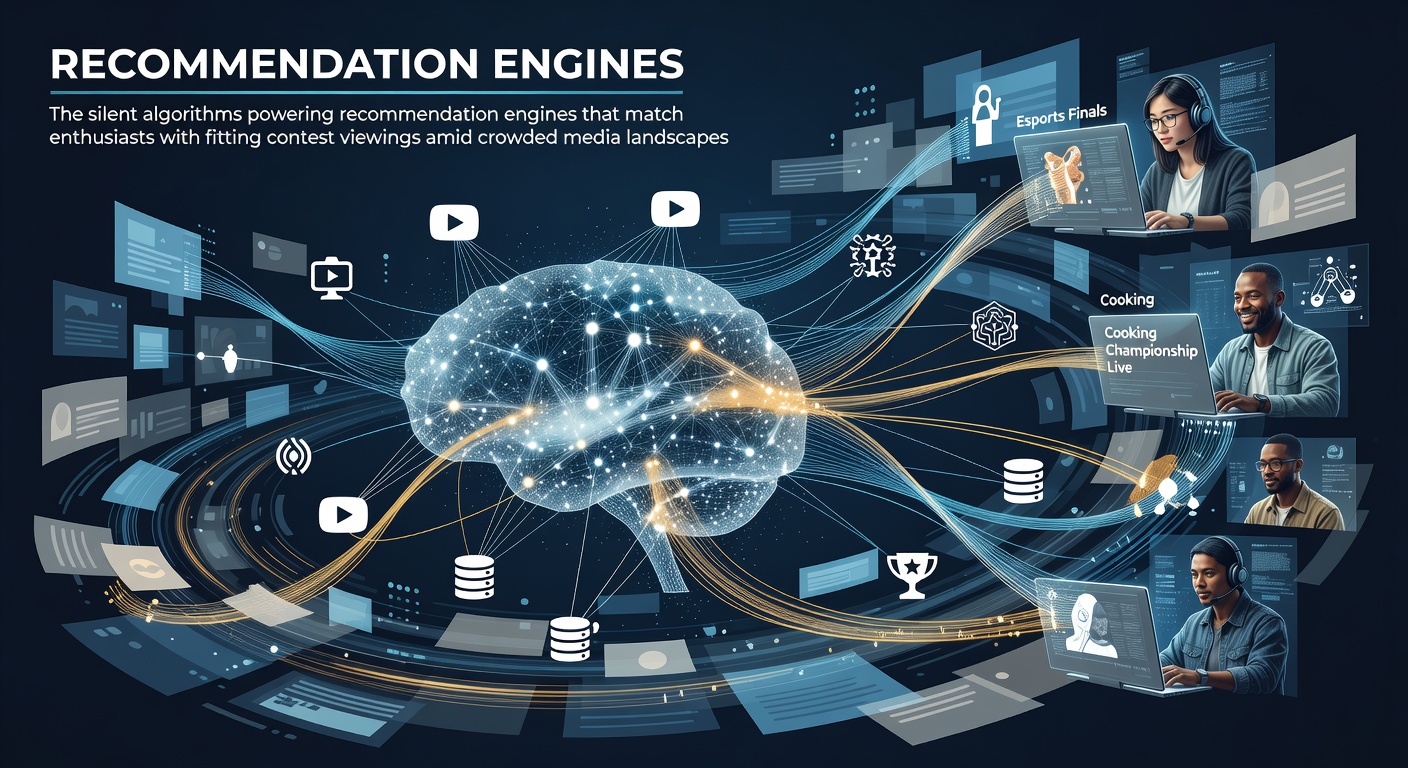
Recommendation engines operate through layered computational models that analyze viewer histories, engagement patterns, and content metadata to surface relevant sports contests in environments saturated with live events and on-demand options, and these systems draw from collaborative filtering techniques alongside content-based approaches to generate personalized suggestions without direct user input at every step.
Core Components Driving the Process
Researchers at institutions studying digital media consumption have documented how matrix factorization methods break down user-item interactions into latent factors that predict preferences for specific matches or tournaments, while neural network architectures process sequential viewing data to anticipate shifts toward basketball doubleheaders or soccer fixtures during peak periods. Data indicates that these models incorporate real-time signals such as dwell time on previews and social sharing metrics to refine outputs dynamically, and observers note that hybrid systems combining both approaches reduce mismatch rates in multi-league calendars where events overlap across time zones.
Take one case documented in academic analyses where algorithms adjusted suggestions after detecting repeated selections of international basketball games, leading to prioritized display of related soccer highlights when primary channels altered their schedules mid-season. This adaptation occurs through continuous training loops that ingest anonymized logs from millions of sessions, allowing the engines to handle variable start times without requiring manual recalibration each cycle.
Data Inputs and Processing Flows
Systems aggregate inputs from device types, geographic locations, and historical selections to build profiles that align enthusiasts with contests fitting their established patterns, and evidence from industry reports shows integration of metadata tags for event duration, league affiliation, and broadcast availability to filter options amid crowded landscapes. In June 2026, platform operators updated several models to account for expanded digital rights distributions across regions, resulting in more precise matching for late-night fixtures that cross multiple viewer bases.
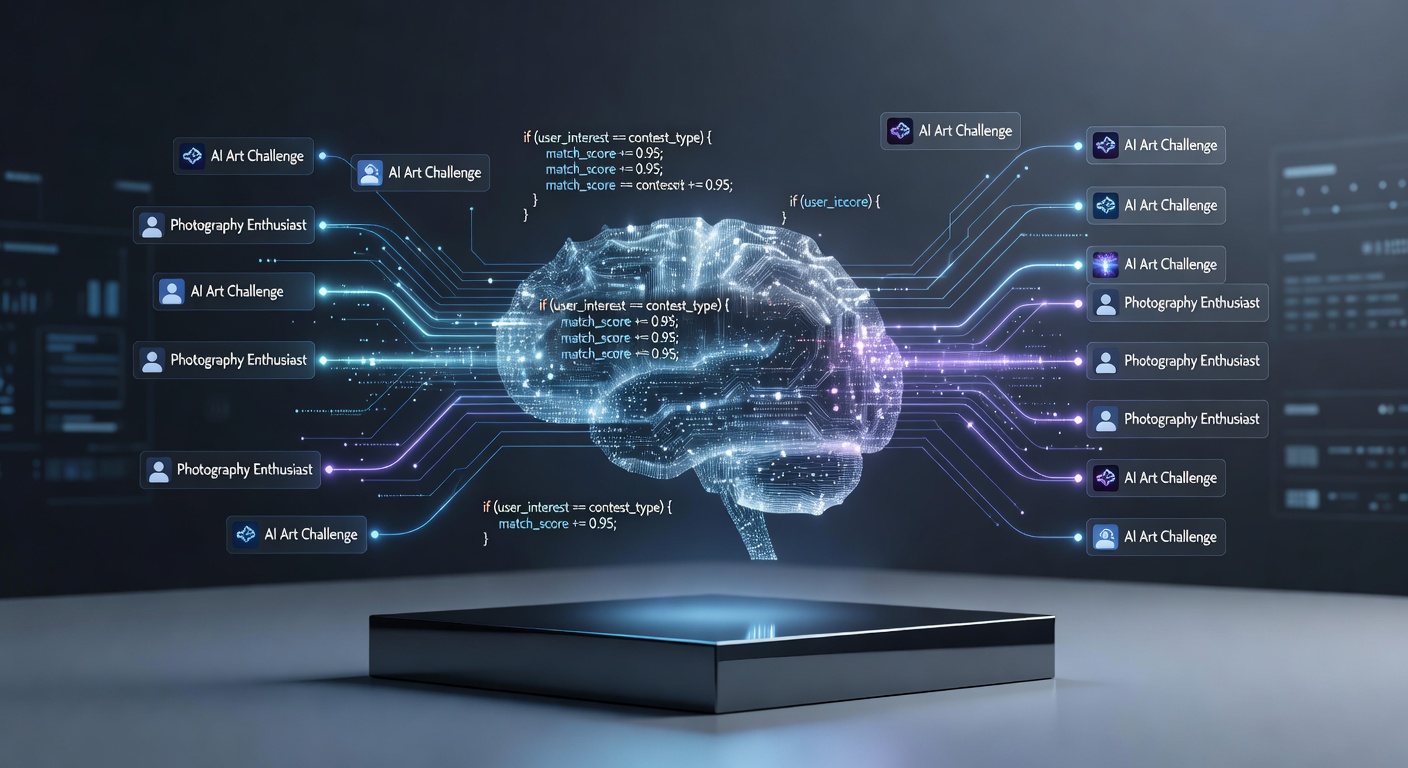
What's interesting here is the role of reinforcement learning agents that test recommendation variants on subsets of users before scaling successful configurations, a method that has been examined in studies from research bodies focused on information retrieval. Those who've examined the infrastructure report that privacy-preserving techniques like federated learning enable model improvements while limiting central collection of raw behavioral traces, and this setup supports compliance with varying digital regulations across jurisdictions.
Applications in Overlapping Media Environments
Platforms deploy these engines to navigate simultaneous availability of football replays, basketball recaps, and live tournaments by ranking options according to predicted relevance scores derived from past interactions, and figures from media analytics reveal that such prioritization increases completion rates for suggested viewings during high-density periods. People often find that contextual signals, including time-of-day preferences and device continuity, further sharpen the alignment between user interests and available contests without explicit queries.
There's this case where experts analyzed engine performance during a period of tournament clustering and found measurable gains in user retention when models incorporated cross-content linkages, such as pairing soccer match streams with basketball game summaries based on shared audience segments. The process relies on graph-based representations that map connections between events, genres, and viewer cohorts, allowing the system to surface fitting alternatives when primary broadcasts shift lineups.
According to data compiled by the Pew Research Center, streaming services have seen steady growth in algorithmic curation for live sports, with patterns showing increased reliance on these tools to manage content volume. Yet another examination from the European Commission on platform ecosystems highlights how recommendation transparency features have been incorporated to inform users about the factors influencing their suggested viewings.
Challenges and Refinements in Current Deployments
Engine maintainers address issues like filter bubbles by introducing diversity injections that occasionally surface contests outside core profiles, and research indicates this balances personalization with exposure to varied leagues or formats. Observers note that handling announcement delays for international events requires fallback mechanisms that pull from archived libraries and alternative streams to maintain continuity in user pathways.
Those who've studied the operational side point out that scalability demands distributed computing resources to process queries at peak hours, particularly when global audiences converge on overlapping basketball and soccer schedules. The reality is that iterative updates based on feedback loops help sustain accuracy even as media landscapes evolve with new entrants and rights changes.
Conclusion
Algorithms continue to underpin the matching of enthusiasts to suitable contest viewings through systematic analysis of behavioral and contextual data, with ongoing refinements supporting navigation of dense programming calendars. Evidence from multiple sources confirms their integration into everyday platform operations, shaping how viewers discover and access events without manual intervention in every instance.