Tracing Viewer Pathways Through Overlapping Tournament Calendars and Digital Replay Networks for Football and Basketball Events
Written by Noah Foster · Jun 3, 2026
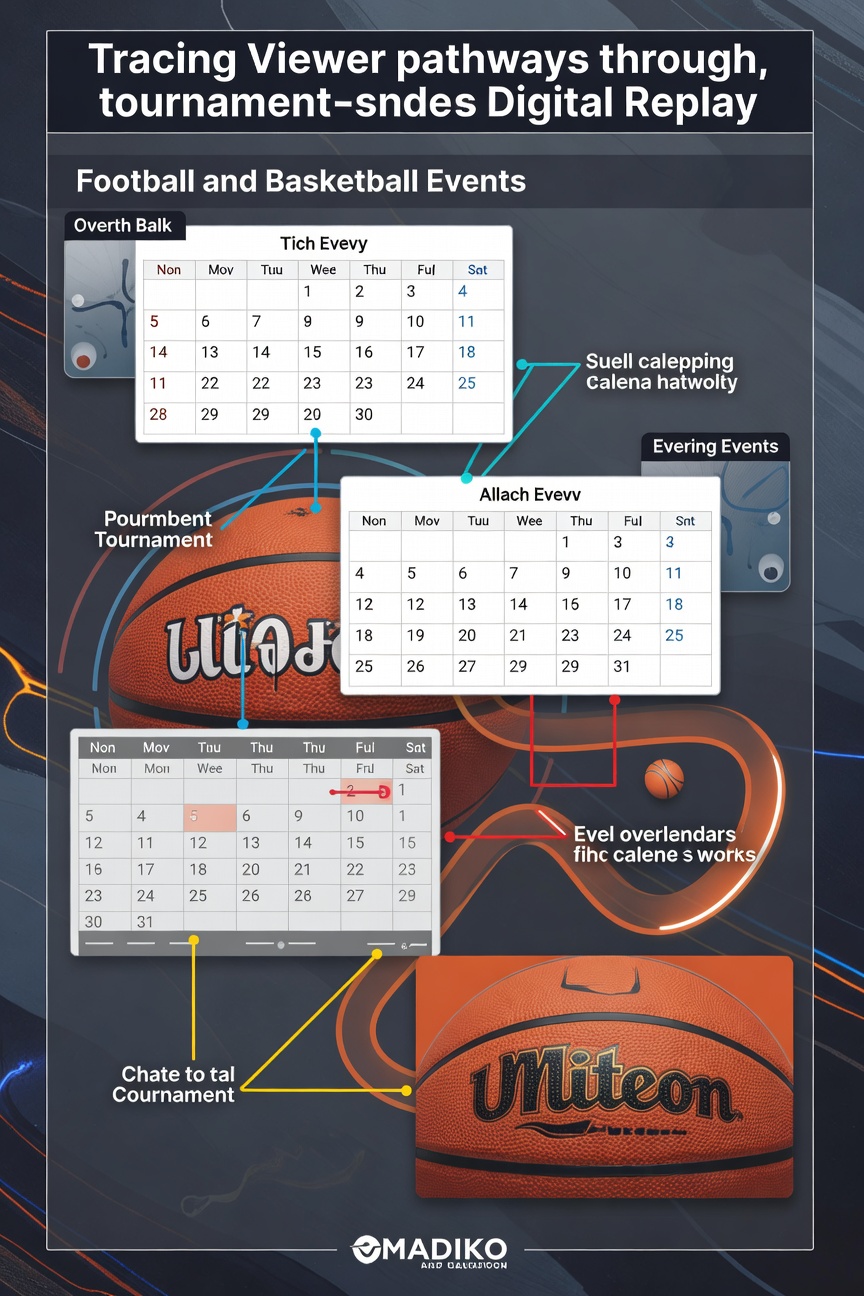
Tracing Viewer Pathways Through Overlapping Tournament Calendars and Digital Replay Networks for Football and Basketball Events
Viewers often navigate complex networks of tournament schedules where football leagues and basketball competitions run concurrently, creating pathways that rely on digital replay systems to fill gaps in live coverage. Data from industry reports show that overlaps occur regularly across major calendars, with fans shifting between live streams and archived content when primary broadcasts conflict or become unavailable in certain regions.
Calendar Overlaps in Major Leagues
Football tournaments such as those organized by UEFA and FIFA frequently intersect with basketball events from the NBA and FIBA, producing dense periods when multiple fixtures demand attention at once. Observers note that June 2026 will bring additional pressure as the FIFA World Cup expands across North America while NBA postseason activities continue into early summer months, forcing digital platforms to handle increased traffic for both live access and replays. Research from the European Audiovisual Observatory indicates these overlaps have grown in frequency since expanded league formats took hold, with scheduling tools now incorporating automated alerts that direct users toward available replays when live windows close.
Those who track viewer data find that fans rarely stay with one sport exclusively during such periods, instead following pathways that combine real-time notifications with on-demand libraries. Platforms integrate metadata from multiple governing bodies so users can trace a basketball game replay immediately after a football match ends, reducing the friction that once forced manual searches across disconnected services.
Digital Replay Networks and Access Routes
Digital replay networks function as interconnected hubs that store and distribute content from both football and basketball events, allowing viewers to reconstruct their own timelines across overlapping dates. These systems pull from centralized archives maintained by rights holders and then distribute segments through apps and websites that adapt to regional blackouts or time zone differences. Studies conducted by Canadian regulatory bodies such as the CRTC reveal that replay usage spikes when live calendars collide, with users accessing highlights or full matches through secondary channels that remain open even after primary broadcasts conclude.
Pathways often begin with schedule aggregators that list simultaneous events, then branch into replay selectors that prioritize content based on user preferences or past viewing history. When one tournament's broadcast rights shift mid-season, alternative digital routes activate automatically, routing traffic toward partnered streaming services that hold secondary rights. This creates a layered experience where a viewer might watch a live basketball tip-off, switch to a football replay during halftime, and return to updated basketball footage without leaving the same application ecosystem.
Viewer Navigation Patterns Across Regions
Patterns emerge clearly in regions where regulatory frameworks differ, such as the United States under FCC oversight and European markets governed by broader EU media directives. Viewers in these areas develop distinct habits, often relying on cross-platform search functions that surface replays tagged by sport, date, and league. Figures released by academic researchers at institutions studying media consumption show that mobile devices now account for the majority of replay starts during overlap periods, because portable access lets fans follow multiple calendars while moving between work and leisure activities.
Alternative routes surface when primary feeds encounter delays or regional restrictions, prompting users to follow links embedded in news updates or social media summaries that point directly to archived matches. These transitions happen fluidly because replay networks maintain synchronized timestamps across football and basketball content, enabling seamless jumps between events that originally aired hours or days apart.
Technological Integration Supporting Pathways
Modern streaming infrastructure supports these pathways through APIs that connect league calendars with replay repositories, allowing real-time updates whenever schedules change. Observers tracking platform performance note that adaptive bitrate streaming keeps both football and basketball replays stable even during peak demand, while recommendation engines suggest related content from the opposite sport based on overlapping time slots. This integration reduces the steps required to locate an alternative viewing option, turning what once required separate logins into a continuous flow managed within single accounts.
Case examples from recent seasons demonstrate how fans trace complete journeys: starting with a notification about a basketball doubleheader, moving to a football match replay during an overlap window, and finishing with condensed highlights that algorithms assemble from both events. Such routes depend on metadata consistency across providers, which has improved as leagues adopt shared technical standards for digital distribution.
Conclusion
Tracing viewer pathways through overlapping calendars and digital replay networks reveals a system where technology bridges gaps created by concurrent football and basketball events. Data continues to show that these networks expand access by linking live and archived content across regions and time zones, supporting consistent engagement even when June 2026 brings heightened schedule density. As platforms refine their connections between governing bodies and replay archives, the routes available to viewers will likely grow more direct while remaining grounded in the factual structures of tournament timing and digital delivery.